
Ersin Arslan / Stockholm, April 24 (HNA) – A powerful solar storm could knock out water systems, banks and communications all at once. There is a constant threat from space weather, such as solar storms, says Yari Collado-Vega, head of the department at NASA’s Office for Weather Analysis.
Yari Collado-Vega, together with his colleagues, tries to predict when the next solar storm may come, in order to protect satellites and astronauts, among other things.
“Astronauts can be exposed to dangerously high levels of radiation. She says we have to make sure they are safe in space, so we need to be able to predict such events” she said and added: “We can be hit by a solar storm at any time. They occur quite often.”
Solar storms also need to be predicted so that we can protect society. British meteorologist Simon Machin informs government authorities about the threat posed by space weather.
He said, “We must be able to predict when they will reach the earth and how serious the consequences can befall us,” and added that the slower solar storms can give us three or four days’ notice before they strike.
“But the faster ones only give us 15-18 hours’ notice; and some travel so fast that we only get a few minutes’ notices” he warned.
A team of researchers who had previously issued an alternative solar forecast that turned out to be better than NASA’s claims the sun’s activity will peak next year.
The sun may reach the peak of its current activity cycle in 2024, one year ahead of official predictions, new research suggests. But even after the sun reaches its peak, its wrath will continue to threaten Earth for at least the next five years.
A team of researchers who had previously released an alternative solar cycle prediction that turned out to be more accurate than official forecasts by NASA and the National Oceanic and Atmospheric Administration (NOAA) recently published improved estimates of the current solar cycle’s strength and progress.
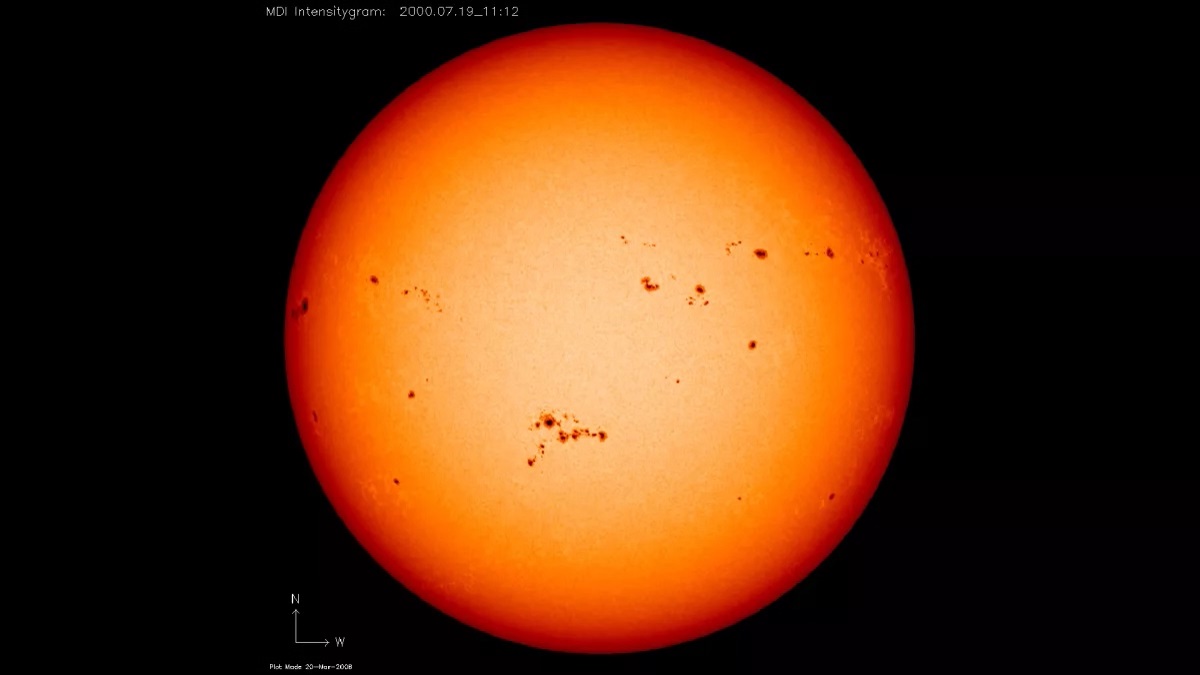
The team’s finalized forecast for the current cycle expects it to peak in late 2024, one year earlier than NASA and NOAA had predicted. The team thinks the cycle will reach about 185 monthly sunspots during its maximum and thus be somewhat milder than the team originally forecasted. This peak intensity will place this cycle at about the average compared to the historical record.