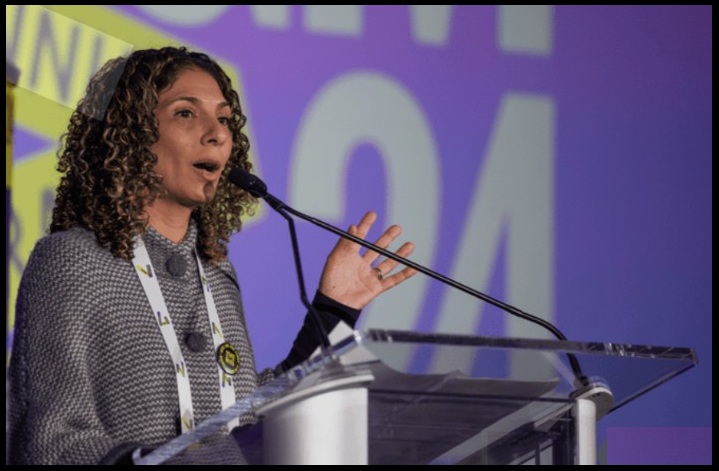
Galloni demands Israel explain killings of Reuters journalists
Brighton, October 18 (HNA) – Reuters Editor-in-Chief Alessandra Galloni has demanded overdue explanations from Israel for its killing of two Reuters journalists in Lebanon and Gaza.
In a statement issued on the third anniversary of the killing of cameraman Issam Abdallah by Israeli tank fire in southern Lebanon, Galloni said:
“We condemn his killing and reiterate our demands for transparency and accountability from the Israeli government.
“Despite repeated requests for an explanation of how this strike on clearly identifiable journalists happened, the only update we have received from the IDF (Israel Defence Forces) is that the incident is still under review.”
She said Issam was a talented journalist who was deeply missed by everyone at Reuters. Six other journalists, including two others from Reuters and one from AFP, were injured in the tank fire.
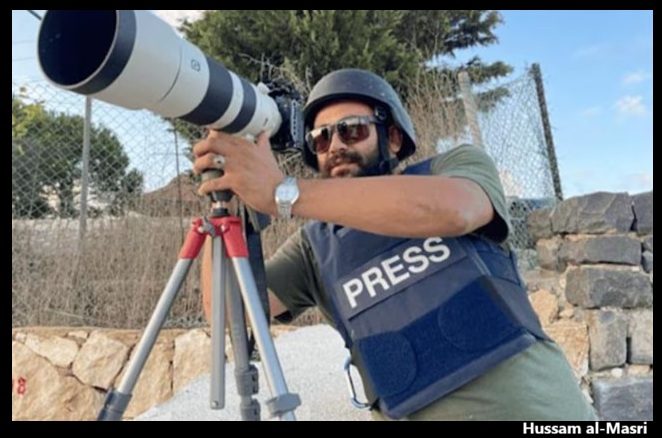
Galloni said Reuters also had unanswered questions about the death of Palestinian cameraman Hussam al-Masri in Israeli strikes on Nasser Hospital in Gaza on August 25, 2025.
“Journalists perform a vital public service in relaying events to the world, often at great risk to their personal safety, and it is essential that governments take all necessary actions to protect them as they go about their jobs. This includes swiftly and openly explaining the circumstances when journalists lose their lives during conflicts,” the statement said.
“We will continue to seek answers, as we do with each Reuters journalist killed in the line of duty. And once again, we call upon the Israeli government to provide a clear explanation of what happened, and to hold to account those responsible,” Galloni added.
Masri began working for Reuters as a contractor in Rafah near the frontier with Egypt in May 2024, eight months into the conflict. In his role, he was involved in live broadcasting from displacement camps and recording the entry of humanitarian aid through the Rafah border crossing.
Since returning to Khan Younis, he was responsible for the feed Reuters broadcast daily from Nasser Hospital, which provided a constant real-time display of Gaza and was used by Reuters media clients around the world.
“Hussam has done this gruelling task day in and day out for months, mainly from Nasser Hospital but also from Rafah when the story merited it,” said Labib Nasir, Reuters’ visual editor for the Middle East and North Africa.
Masri also reported stories around southern Gaza, often using contacts he had developed at the hospital to provide vivid accounts of the unfolding humanitarian disaster, including stories on malnutrition in Gaza, parts of which are officially in famine.
His last such story, filmed on Saturday, showed families mourning over bodies of relatives, including children, killed in Israeli strikes that have taken at least 62,000 Palestinian lives in the war.
Masri had chosen to look after the live feed at Nasser Hospital in part because he believed it was the safest place he could operate from, said Salem, who spoke to him each morning as he set up his camera.
During their final conversation, Masri described how difficult life had become in Gaza and the struggle to find food. Hours later, in an image captured by Reuters, his body was laid out on a stretcher.